




COURT-ANNEXED MEDIATION CENTER, East
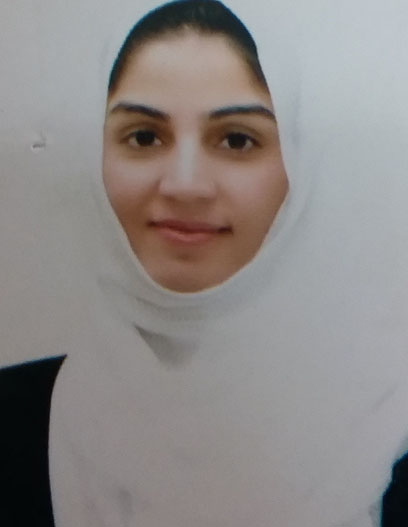
ISHRAT SULTAN She has served in the District Judiciary for over a decade as a Civil Judge, Family Judge, and Judicial Magistrate, gaining extensive experience across civil, family, and criminal jurisdictions. In her capacity as a Judicial Magistrate, she has presided over criminal proceedings, conducted judicial inquiries and proceedings in accordance with law, recorded statements and evidence where required, and passed judicial orders in accordance with the applicable legal framework and established judicial procedures. Her judicial responsibilities have also included remand proceedings, bail matters, complaints, and other matters falling within the jurisdiction of a Judicial Magistrate, while consistently upholding the principles of fairness, due process, judicial propriety, and adherence to the rule of law.
During this long judicial journey, she has served in different districts of Karachi and has remained posted as a Family Judge in District West and as a Judicial Magistrate in District South. Her judicial experience has provided her with extensive exposure to civil, family, and criminal matters, as well as practical understanding of dispute resolution and the needs of litigants.
Ishrat Sultan is a legal professional with extensive experience in judicial services, Mediation (ADR), legal Aid. She currently serves as a Mediator at the Court Annexed Mediation Centre, District East, Karachi, where she facilitates the resolution of civil and family disputes through mediation, legal counselling, and psychosocial support, while upholding the principles of neutrality, confidentiality, and professionalism.
Her extensive experience in the judiciary and ADR enables her to effectively assist parties in communicating their concerns, identifying areas of agreement, and exploring mutually acceptable solutions through a structured, confidential, and facilitated mediation process. Prior to joining the District Judiciary, she also served with the Legal Aid Society, working under the supervision of Honourable Retired Justice Nasir Aslam Zahid, where she gained valuable experience in legal aid, access to justice, and providing legal support to vulnerable and undertrial prisoners (UTP).
She was also remained the founder member of the Access to Justice project for Vulnerable Populations (A2J) in Pakistan, which operated nationwide to support vulnerable and marginalized populations. During her tenure with the project, she provided legal aid, mediation, and psychosocial support to vulnerable and marginalized communities, including survivors of gender-based violence, women, children, prisoners, persons with disabilities, and ethnic and religious minorities.
Ms. Sultan has received specialized training in Alternative Dispute Resolution (ADR) and mediation, including a 40-hour Accredited Mediation Training Course from the Sindh Judicial Academy, as well as advanced training in psychosocial support and counselling for victims and vulnerable persons through (A2J) Project. She also participated in an international exposure visit to Nepal to study ADR and mediation practices.
During her involvement in the A2J Project, she had the opportunity to attend and complete multiple specialized training courses conducted by various national and international organizations, further enhancing her knowledge and professional expertise in ADR, mediation, access to justice, human rights, and support for vulnerable populations.
She holds an LL.M., M.A. in International Relations, and LL.B. Degrees. During the Access to Justice (A2J) Project, she received extensive training and developed a strong understanding of the rights, needs, and challenges faced by persons with disabilities. She also received multiple certifications through specialized courses focused on disability inclusion, accessibility, and sensitization in working with persons with disabilities.
She further completed specialized training on Gender-Based Violence (GBV), with a particular focus on the legal rights and protection of GBV survivors. Her experience also includes providing and facilitating psychosocial support to survivors of GBV, including victims of rape and acid attacks, who may face discrimination, stigma, and other forms of vulnerability arising from gender-based violence.